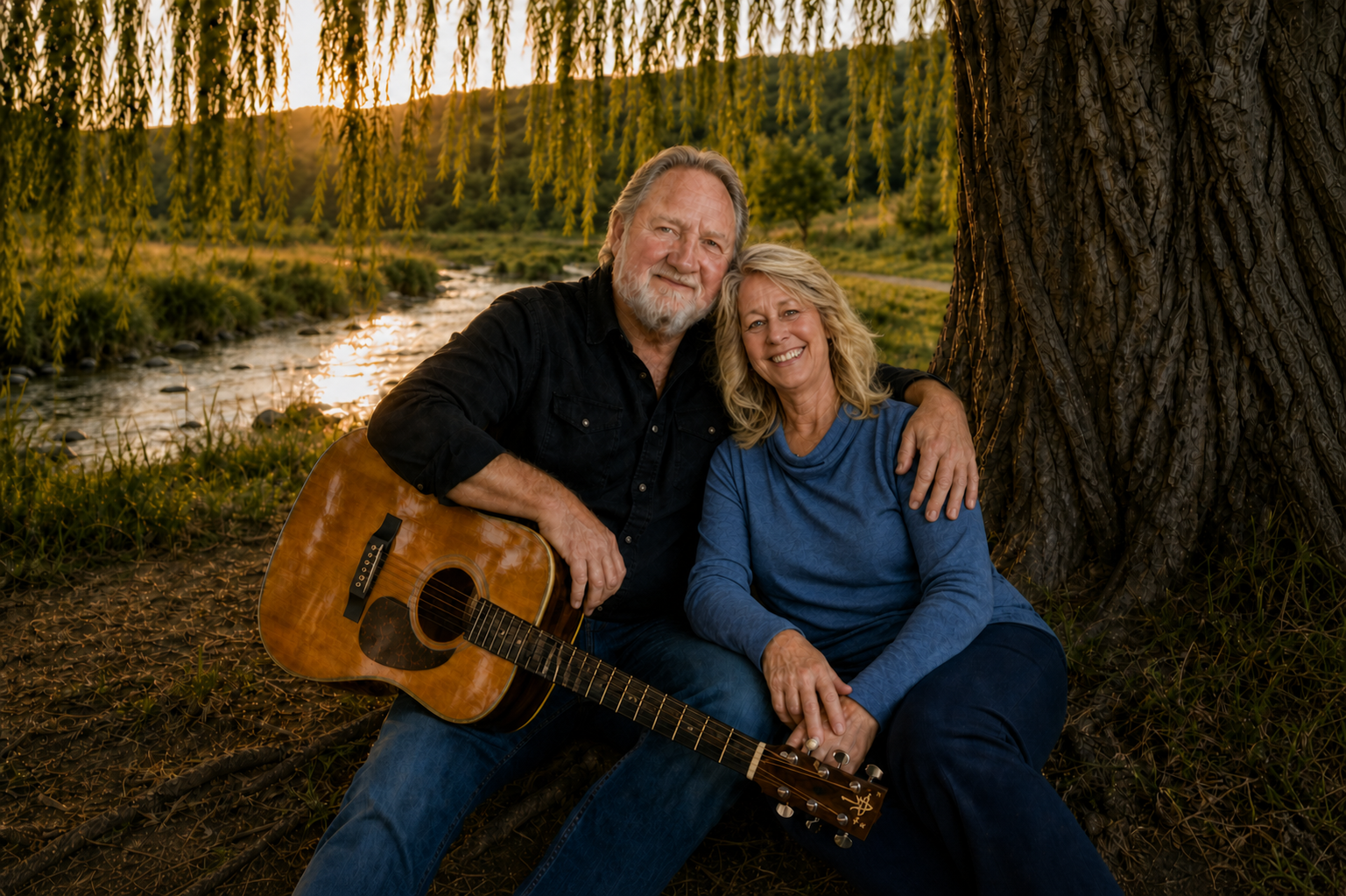
I grew up with music close enough to hear and a creek close enough to escape to.

As a boy, I listened to my brother and a group of hippies playing folk music, and I became fascinated by what they could create with instruments and words. Later, I took my own guitar down to Willow Creek and played for the rocks, the trees, and anybody else who happened to be listening.
The audience wasn’t very large, but it was forgiving.
That was where the songs began.
I didn’t know then that songwriting would become the way I kept track of my life. I simply knew there were things inside me that made more sense when I put them into words and music.
I wrote about what I saw, what I felt, what I wanted, and what I couldn’t yet understand.
There was a time when music might have become the center of my life. I have often wondered what would have happened if I had been allowed to chase that dream more aggressively when I was young. What if I had gone somewhere else, taken more chances, met the right person, or made a few less responsible decisions?
Maybe there would have been bigger stages, more records, and more people listening.
But life rarely presents its choices that cleanly.
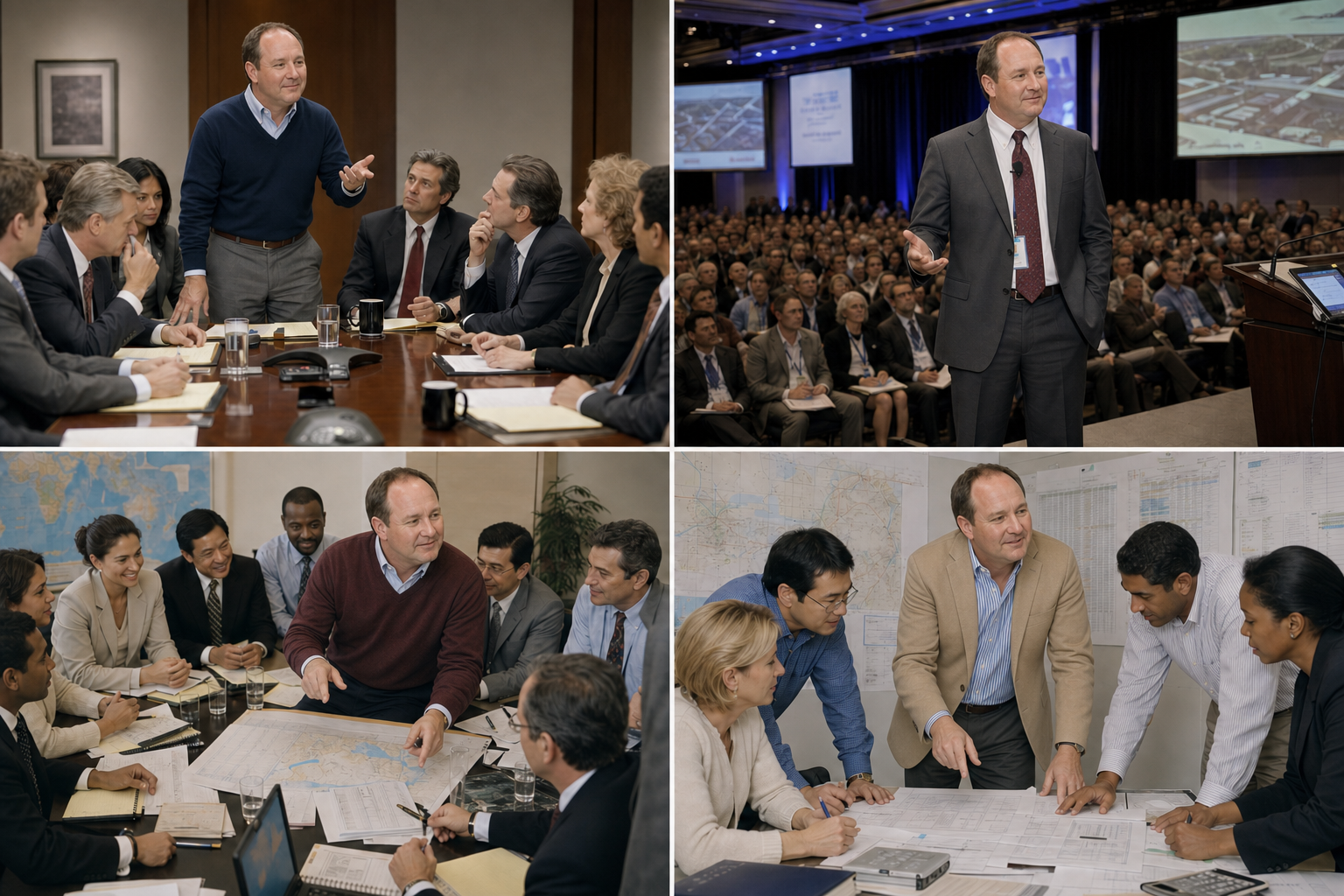
I married, raised a family, and built a successful business career that lasted 43½ years. I learned how to lead people, solve problems, survive setbacks, and carry responsibility. I became someone others could depend upon, and that mattered to me.
Marriage, family, and work were not empty years standing between me and the music. They were my life.
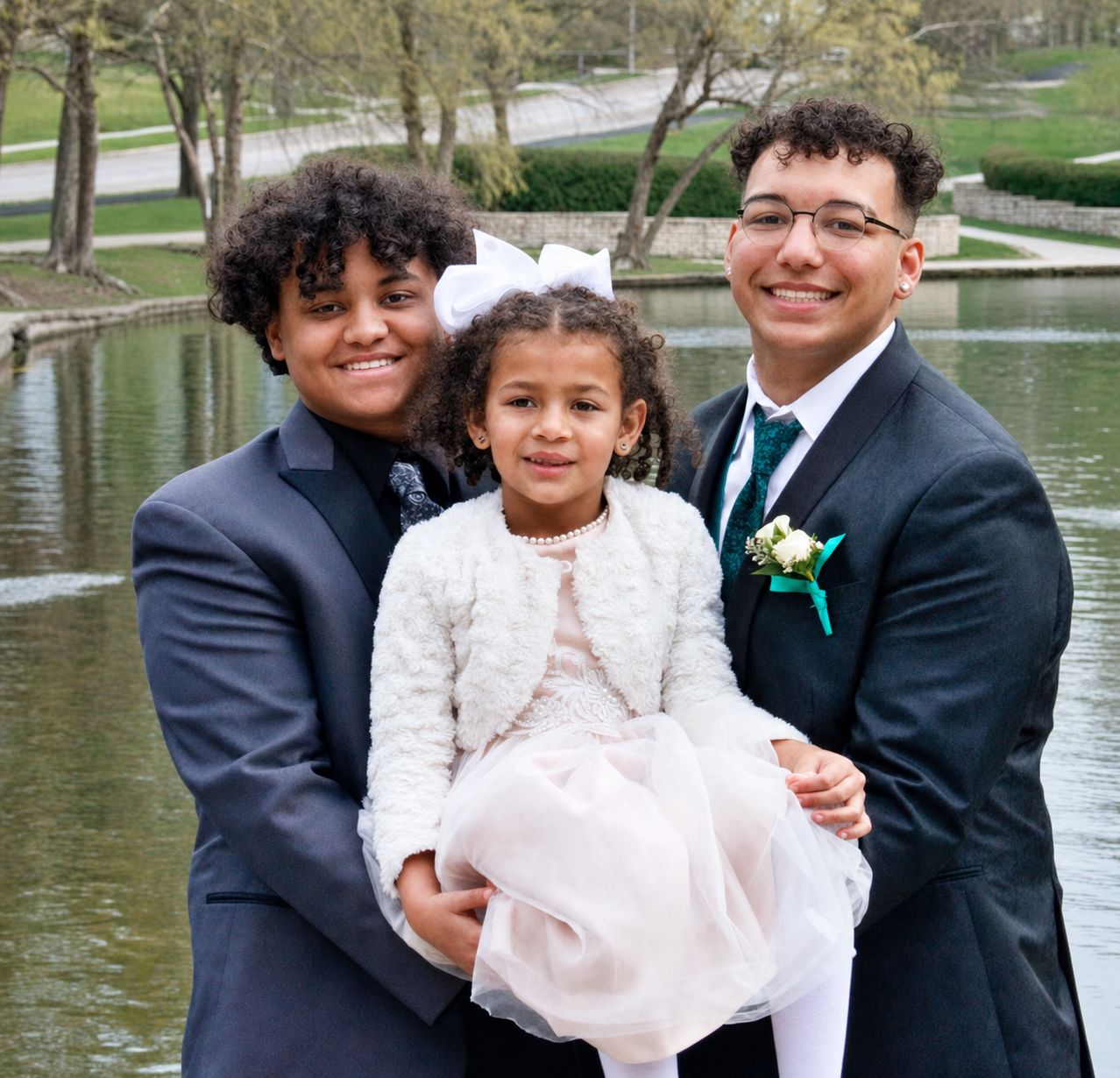
They brought love, accomplishment, disappointment, laughter, conflict, mistakes, and memories. Chad and Kristen were never interruptions in the story or obligations to be checked off. Being their father became one of the central facts of who I was. Once they were part of my life, my decisions were no longer mine alone.
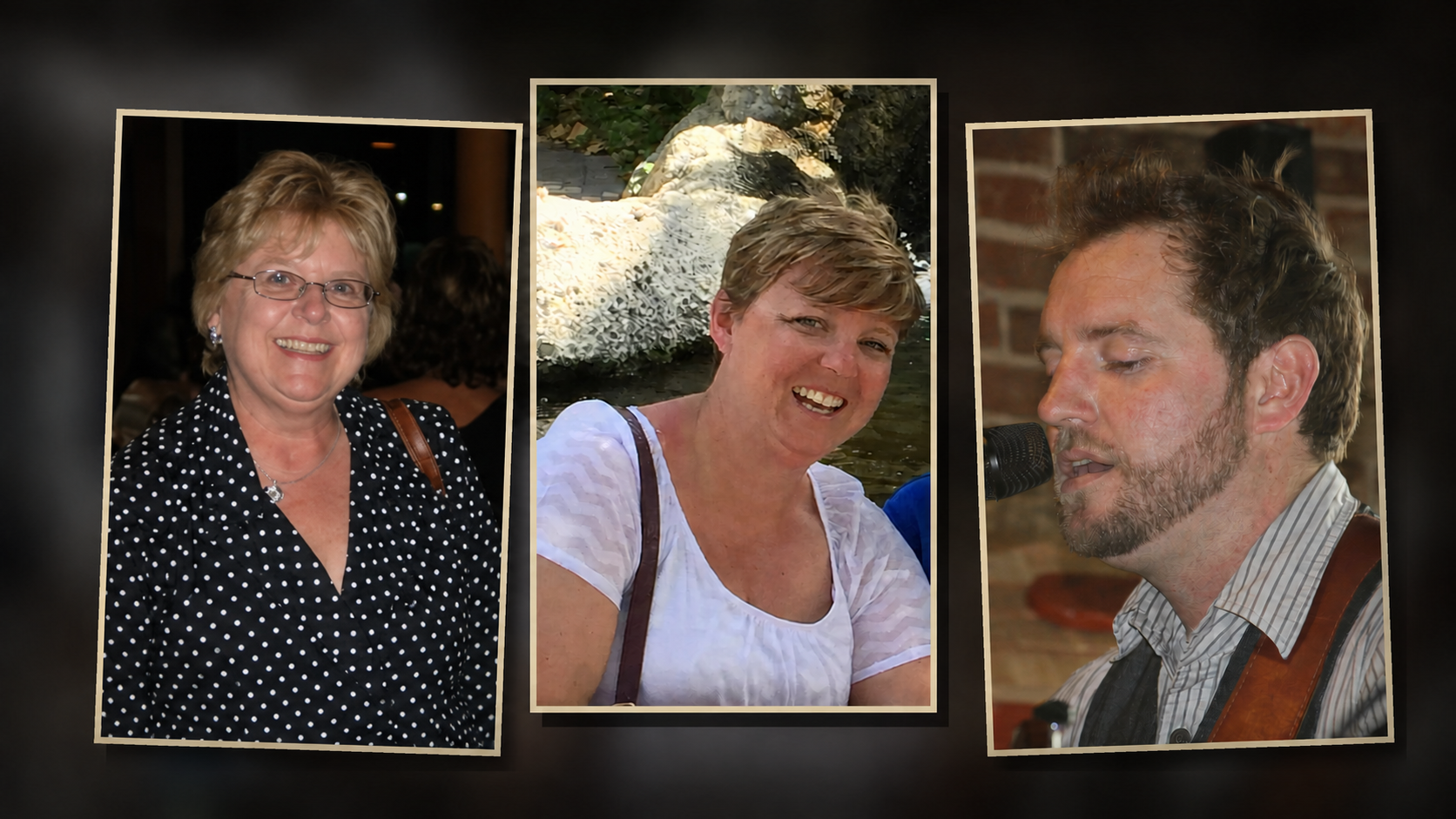
Kelly, my first wife, is part of that story too. Our marriage lasted 35 years and contained most of my adult life. It held shared history, family, good years, difficult years, and countless ordinary moments that mattered. We are great friends to this day.
A marriage can end without everything that came before the ending having been a mistake.
For much of my life, responsibility was one of the principal ways I measured myself.
Take care of what needs to be done.
Keep your promises.
Provide for your family.
Do the responsible thing first.
There is a great deal of value in living that way. Discipline gave my life structure. It helped me build a career and the people I loved. It may also have kept me from disappearing too deeply into some of the temptations surrounding music in the 1970s.
I can joke that the seventies were a little hard on me.
The truth is, they could have been a hell of a lot harder.
The same discipline that may have limited how fully I chased music when I was young may also have protected the man who would eventually return to it.
But responsibility has a shadow side.
I became very good at taking care of what everyone else needed before considering what mattered personally. Work first. Obligations first. Other people first. There would always be time later for the music, the conversation, the visit, or the dream.
Except sometimes there isn’t.
I learned that lesson through my father.
I had things I wanted to tell him and questions I intended to ask. I planned to get there. Life intervened, I was delayed, and by the time I reached the hospital, I was the man who had arrived too late for one final “I love you.”
That loss eventually became “Find a Way.”
The song was about my father, but it was also about the way I had learned to live. It confronted the danger of assuming that what matters most can always wait until everything else has been handled.
It also carried one of life’s essential lessons: if you want something badly enough, and you are willing to put in the blood, sweat, tears, and toil, you can always find a way to make it happen.
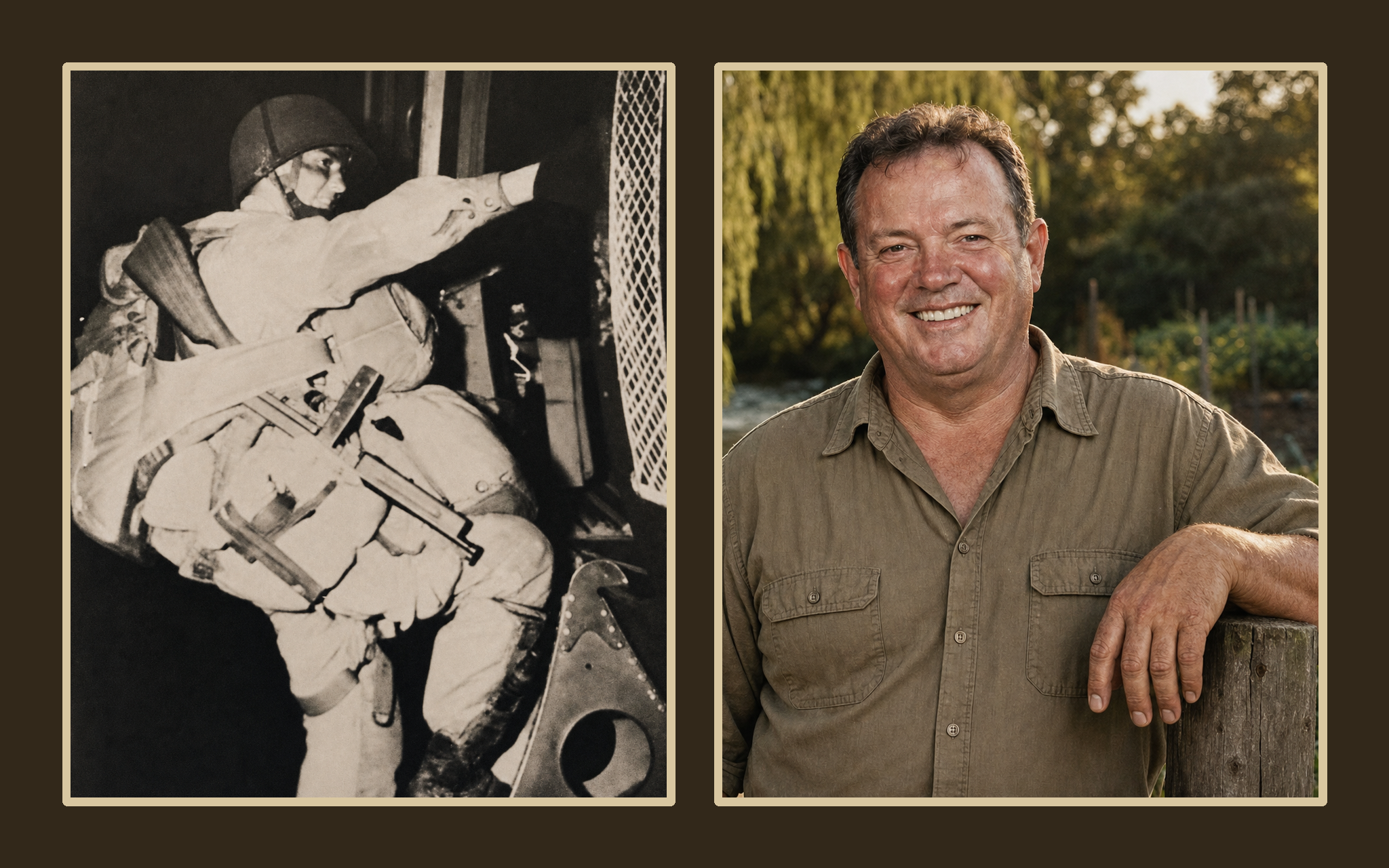
As I grew older, I began to understand my parents differently. My father’s stories no longer sounded like simple lessons delivered by a parent. I could finally hear the man inside them—his experiences, worries, hopes, and fears.
Things that seemed straightforward when I was young became more meaningful after I had lived long enough to recognize what was underneath them.
Looking back, I can see the pattern.
Young Bill experienced things.
Older Bill began to understand them.
Songwriter Bill eventually wrote about them.
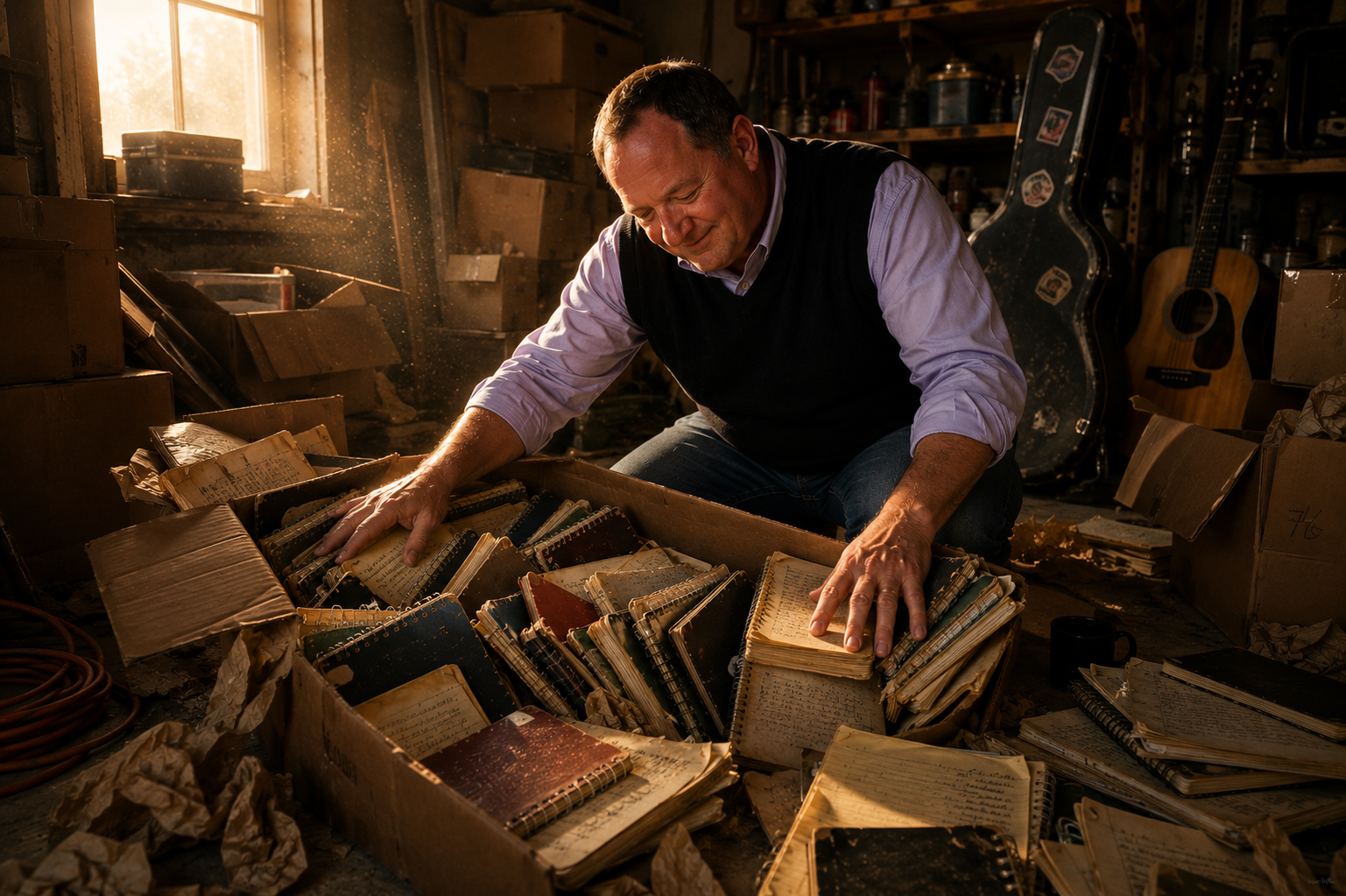
The music never disappeared during the years when family and business occupied most of my time. I kept writing. I filled notebooks with lyrics, observations, memories, questions, fragments, and unfinished stories.
When those notebooks were nearly lost during a move, I realized they held much more than songs. They contained decades of my life—people I had known, things I had done, moments I had forgotten, and feelings I had not known how to explain any other way.
They were forty years of breadcrumbs.
The songwriter had not been sleeping while I built the rest of my life. He had been watching.
My business career brought me into contact with leaders, employees, customers, competitors, friends, honest people, difficult people, successful people, and broken people. For 43½ years, I studied people without realizing I was studying people.
Business may have delayed the recording career, but it educated the songwriter.
Eventually, I returned to the music seriously.
By then, I wasn’t a young artist trying to invent an identity. I was a man with a life behind him and stories worth telling. I had experienced love and disappointment, responsibility and regret, success and uncertainty. I had raised children, led people, lost people, made mistakes, and rebuilt parts of myself.

Then the damnedest thing happened.
People started listening.
The songs received radio play. Records reached number one. There were awards, millions of streams, performances, interviews, and listeners in places I never expected my music to reach.
I returned to the music business at an age when it is not particularly designed to welcome a new artist, and certainly not one in his mid-fifties—yet somehow the songs found an audience anyway.
I am proud of that success. I don’t need to apologize for saying so.
The numbers proved that the music connected. They also proved that my lifelong suspicion—that there might have been something more—was not simply wishful thinking.
Perhaps a younger Bill Abernathy could have had a larger career.
I think that is possible.
But a younger Bill would not yet have lived the stories that became the songs.
The corporate years taught me about people. My marriage to Kelly and the family we built taught me about commitment, sacrifice, compromise, love, and disappointment. Chad and Kristen taught me things about myself that no stage or recording studio could have taught me. Loss taught me about regret. Mistakes taught me humility. Age taught me that an experience can mean something entirely different depending on which side of it you are standing.
The music might have arrived sooner if I had chosen another road.
But it would not have been this music.
Near the end of my marriage, I faced another defining decision. From the outside, staying may have appeared safer and more responsible. Walking away meant uncertainty, pain, and the dismantling of a life I had spent decades helping to build.
A couple of lines in “Walk Away” captured the decision.
“Right Where I Need to Be” captured what followed.
I found myself alone with my memories and souvenirs, asking whether I had made the right choice. Other people could tell me what was safe or sensible, but I was beginning to understand that safety could not be the only measure of a life.
The song begins with a question:
“Is this where I need to be?”
It ends with an answer:
“I’m just where I need to be.”
I deliberately placed it as the final song on the Find a Way album.
The album begins with the cost of waiting too long.
It ends with the decision not to wait anymore.
I didn’t suddenly have all the answers. I just finally decided that what I needed ought to count too.
Choosing myself did not erase my responsibilities or diminish the value of the life I had already lived. It meant recognizing that continuing along a familiar road was not necessarily right simply because it appeared safe.
“Right Where I Need to Be” did not mean I had reached the end of the journey.
It meant I had finally been willing to begin it.
I had taken the risk of leaving what was familiar and safe, but that decision created another question: once the roles, routines, and expectations of my previous life began to fall away, who was I?
That question eventually found its way into “Who Are You Who Am I.”
Leaving gave me independence, but independence and self-knowledge are not the same thing. I still had to sort through the person I had been, the person other people believed me to be, and the person I wanted to become.
For much of my life, I had understood myself through my responsibilities. I was a son, husband, father, coach, businessman, leader, provider, and problem-solver. Those roles were real and important, but after so many years of being what other people needed me to be, I had to discover who remained when I was simply Bill.
“Who Are You Who Am I” came from inside that search.
And then Debbie became part of the story.
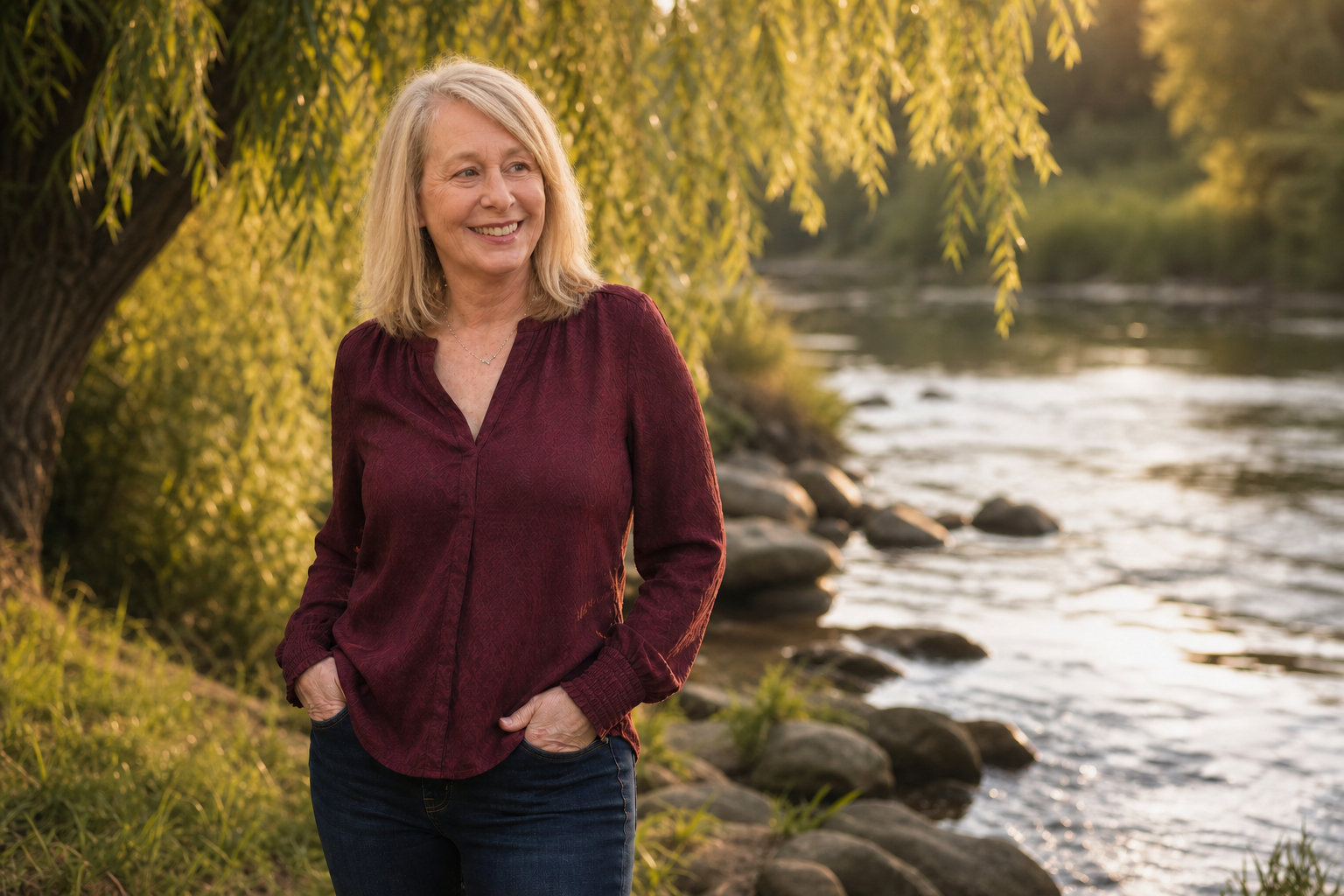
Finding myself was not simply about learning how to stand alone. It was about becoming honest enough to let another person know the man I am still discovering.
That brought a different kind of risk.
Leaving required the courage to walk away from a life that was no longer right. Loving again required the courage to lower the walls built from disappointment, failure, and experience. It meant allowing myself to be known and vulnerable—not as the responsible man who always had the answer, but as someone who still carried fears, scars, hopes, and unanswered questions.
That journey led to “MORE.”
“MORE” was not merely about wanting another relationship or another chapter. It was about wondering whether two people who had already lived, loved, lost, and learned could move beyond their histories and create something deeper together.
I didn’t come to Debbie as a finished man with all the answers, and she didn’t enter my life as the solution to everything that had come before. We both brought histories, scars, families, fears, and hopes of our own.
But I was finally becoming willing to be fully known to her.
With Debbie, I began to understand that independence and intimacy did not have to be opposites. Choosing myself did not require me to live only for myself. It made it possible to bring a more honest version of myself into love.
Looking back, I can see the progression.
“Right Where I Need to Be” was the risk.
“Who Are You Who Am I” was the search.
“MORE” was what became possible afterward.
Without taking the risk to find where I needed to be, I might never have begun discovering who I was. And without that discovery, I might never have been ready to meet Debbie honestly—or to learn that there could still be MORE.
That chapter is still being written.
I do not see my life as a completed journey tied up with a perfect conclusion. I am still writing songs, making plans, asking questions, loving people, learning things, and occasionally getting some of them wrong.
Some losses remain losses. Some decisions might have turned out differently. I don’t know whether the path I followed was the only path or even the best possible one.
I know it became mine.
As a young man, I needed discipline.
As an adult, I became exceptionally good at responsibility.
As an older man, I had to learn when discipline, caution, and responsibility should no longer be allowed to make every decision.
My life has been an attempt to find the balance between duty and desire, safety and risk, independence and intimacy—knowing when to protect the heart and when to open it.
I have never been a songwriter who claims to possess all the answers. Most of the time, I write from inside the question. The songs move between memory and uncertainty, loss and hope, fear and possibility because that is how life has felt to me.
I am not really a musician who happens to write songs.
I am a writer who uses music to tell the stories.
The records, charts, awards, radio play, and streams are part of the story, and I am proud of them. But they are not the full measure of either the career or the life.
The real body of work is the life documented inside the songs.
My father is there. My mother is there. My brother is there. Chad and Kristen are there. Kelly, my first wife, is there. Debbie is there. My family and the people I have loved and lost are there.
The boy playing guitar beside Willow Creek is still there too.
So is the businessman who spent 43½ years learning about people. The son, husband, father, coach, leader, provider, and problem-solver who tried to do what was right. The man who arrived too late for one final “I love you.” The man who wondered whether he had chosen the wrong road. The man who finally decided to take another chance. And the songwriter who kept leaving clues in notebooks until he understood what they were.
I still don’t know where another road might have taken me.
Maybe there would have been a different kind of career. A different life. Maybe there would have been different songs.
But this is the life I lived. These are the people I loved. These are the lessons, loves, losses, mistakes, second chances, and stories that became the music.
I thought I was filling notebooks.
I thought I was writing songs.
Turns out I was leaving breadcrumbs—from Willow Creek, through everything that followed, all the way home.
It wasn’t the shortest road, and I’m not going to pretend every turn was the right one.
But it became mine.
And today, I can honestly say I’m right where I need to be.